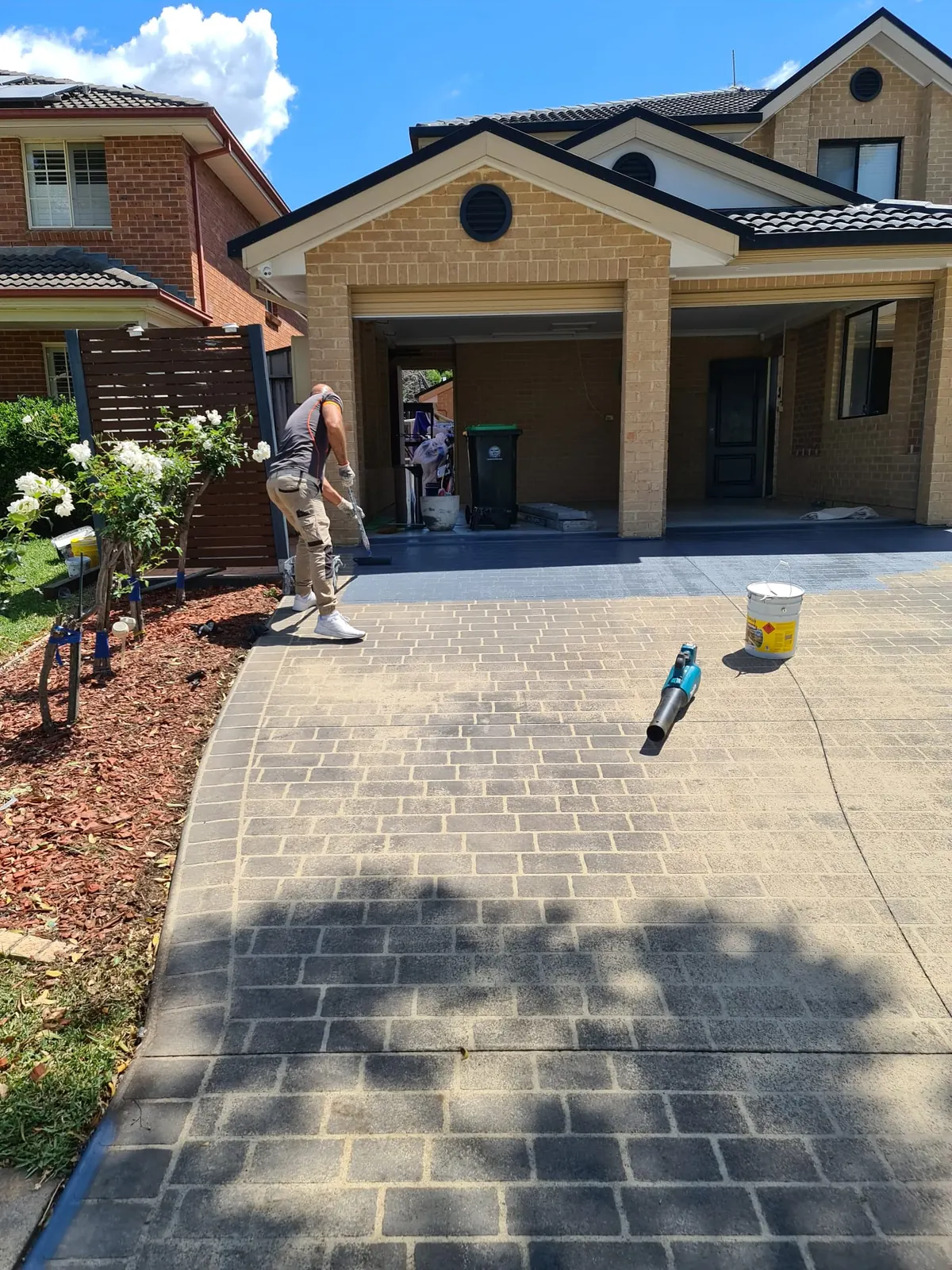
Paint does more than change the look of your home. It protects surfaces from moisture, sun and everyday wear. Repainting too late can allow minor issues to become costly repairs, while repainting too early may mean spending money unnecessarily. The right timing depends on the surface, its exposure and the quality of the previous finish, but there are useful guidelines for Sydney homes.
Typical repainting timeframes
These ranges assume quality paint applied over properly prepared surfaces. Cut-price previous jobs tend to fail sooner.
| Surface | Typical lifespan |
|---|---|
| Interior walls | 7 to 10 years |
| Interior trim and doors | 5 to 8 years |
| Ceilings | 10+ years |
| Exterior render or masonry | 8 to 12 years |
| Exterior timber and weatherboard | 4 to 7 years |
| Roof coating | 10 to 15 years |
Why Sydney Homes Often Need Repainting Sooner
Sydney's climate can shorten the life of exterior paint. Strong UV exposure can fade and break down coatings, while coastal salt, humidity and summer weather place additional pressure on timber, metal and painted surfaces. Homes exposed to strong afternoon sun, sea air or damp conditions may need attention sooner than properties in more sheltered locations.
Look for the Signs, Not Just the Years
Repainting schedules are useful guidelines, but the condition of your home is the better indicator. Look out for these common signs that exterior paint may need attention:
- Fading and chalking. A noticeably faded finish or powdery residue on the surface can indicate that the coating is starting to break down.
- Cracking, flaking or peeling. Damaged or lifting paint can allow moisture to reach the surface underneath and should be addressed before the problem worsens.
- Gaps around joints and trim. Deteriorated sealant can allow water to enter around vulnerable areas of timber, render and other surfaces.
- Mould or dark staining. These can appear on shaded or damp areas and may indicate that the surface needs cleaning, treatment or repainting.
Interior walls show different signs. Scuffs and marks that no longer clean away, yellowing, small cracks and an increasingly dated appearance can all be reasons to consider a fresh coat.
Different Surfaces Need Different Repainting Schedules
Not every part of your home will need repainting at the same time. Busy areas such as hallways, kitchens and family rooms usually experience more wear than quieter spaces, while sun-exposed and coastal exteriors can weather faster than sheltered walls. A practical approach is to refresh high-wear areas when needed and plan a full repaint when the wider property is ready. Our interior painting service and exterior painting service can both be staged to match how your home actually wears.
Don't Forget Your Roof
Because the roof is easy to overlook, signs of wear can go unnoticed until they become bigger problems. A well-maintained roof helps protect your home from the elements while improving its overall appearance. If your tiles or metal roofing look faded, weathered or stained, professional roof restoration can help extend their service life and improve summer comfort.
Repainting Before Problems Grow
Waiting too long can turn a straightforward repaint into a more involved repair. Faded paint may only need cleaning and recoating, while peeling coatings, damaged timber or exposed surfaces can require additional preparation and repairs. Repainting while the surface is still in good condition can help reduce the amount of work required and keep maintenance costs under control. It is the same logic homeowners across the Northern Beaches apply to their coastal properties, where salt air makes timely maintenance especially worthwhile.
What Actually Determines How Long Paint Lasts
The timeframes in the table above are averages, and averages hide a lot. Two identical homes on the same Sydney street can differ by five years or more on the same surface. Four factors explain most of that gap.
- Dry film thickness. A coating only performs as designed once it reaches the thickness the manufacturer specifies. A single thin coat delivers roughly half of it, which is why cut-price jobs fail so much sooner than the ranges suggest.
- Preparation quality. Paint fails at the weakest bond in the system. Applied over chalk, dust, mould or a glossy unsanded surface, even an excellent product lifts early regardless of how many coats went on.
- Exposure. A north or west-facing wall in full sun ages materially faster than a sheltered south wall on the same house. Coastal salt and reflected heat off paving and pools accelerate it further.
- Colour and sheen. Deep and highly saturated colours fade visibly sooner than pale ones because they carry more pigment for UV to break down. Flat finishes chalk earlier than low-sheen.
The practical conclusion is that the previous paint job largely sets your next repaint date. If you inherited a cheap repaint from a pre-sale styling exercise, plan on the short end of every range in that table.
A Surface by Surface Maintenance Calendar
Repainting is not a single event every decade. It is a rolling programme, and treating it that way keeps the cost predictable and the property protected. Small, cheap interventions at the right time push the big expensive ones further out.
| Interval | Task | Why it matters |
|---|---|---|
| Every 6 to 12 months | Wash exterior walls, eaves and south-facing surfaces | Removes salt, dirt and mould spores before they degrade the film |
| Annually | Walk the property and inspect timber, fascias, sills and sealant joints | Catches lifting paint and failed sealant while the repair is still small |
| Every 2 to 3 years | Touch up high-exposure timber: window sills, door frames, handrails, gates | These fail years before walls and are cheap to maintain in isolation |
| Every 4 to 7 years | Recoat exterior timber and weatherboard | Timber is the one substrate where late action risks rot, not just appearance |
| Every 5 to 8 years | Repaint interior trim, doors and high-traffic hallways | Wear concentrates here long before bedroom walls need attention |
| Every 7 to 10 years | Full interior repaint | Restores an even finish rather than a patchwork of touch-ups |
| Every 8 to 12 years | Full exterior render or masonry repaint | Recoat while the existing film is sound and preparation stays simple |
| Every 10 to 15 years | Roof coating | Long cycle, but access costs make good timing worth planning |
The cost of waiting too long
There is a clear financial cliff in exterior repainting. Recoat a faded but intact surface and the job is a wash, a spot prime and two coats. Wait until the coating has failed and you add scraping, extensive sanding, full priming, timber repairs and sometimes replacement of rotted sections. The same house can cost substantially more to paint simply because it was left three years longer, and the new coating will not last as well either because the substrate underneath has been compromised. The cost of a Sydney repaint is driven by preparation hours more than anything else, and preparation hours are what waiting buys you.
How Sydney's Microclimates Change the Schedule
Greater Sydney contains several genuinely different environments, and the repainting interval is not the same across them.
Coastal and harbourside
Airborne salt is relentless. It settles on every surface, draws moisture, and attacks metal fixings, timber and the coating film itself. Properties within a few kilometres of the coast should plan on the short end of every exterior range, and regular washing genuinely extends coating life here more than anywhere else in Sydney.
Western and south-western Sydney
Hotter summer extremes and higher UV loading mean faster fading and chalking, particularly on dark colours and on north and west elevations. Render and masonry hold up reasonably well, but sun-facing timber and metal work through their coatings quickly.
Leafy, shaded and low-lying suburbs
Shade is not a free pass. Surfaces that stay damp grow mould and lichen, tree litter holds moisture against walls, and overhanging branches abrade the film. These properties often need washing and treatment more frequently than sunny ones, even though their colour holds better.
The right interval genuinely depends on where a property sits and which way it faces, which is why we assess by elevation rather than by rule of thumb across the Sydney regions we work in.
Repainting Around Life Events
Condition should drive the decision, but timing around what else is happening saves real money and disruption.
- Before selling. Allow six to eight weeks before listing so the work is finished and aired well before photography and open homes.
- Before moving in. Painting an empty house is faster, cheaper and produces a better finish than working around furniture and occupants. If you are buying, this is the single best window you will get.
- Alongside a renovation. Coordinate so painting follows trades rather than preceding them. Repainting before the electrician patches walls is money spent twice.
- With roof or gutter work. Access equipment is a large fixed cost. Sharing one setup between the roof coating and the exterior walls is cheaper than paying for it twice.
- Before a change of tenancy. An empty period between tenants is the natural moment for interior work in an investment property.
Partial repaints and when they make sense
You do not always need to do everything. A partial repaint works well when the remaining surfaces are genuinely sound and the colour still matches, which is realistic indoors and on sheltered exterior areas. It works poorly on a weathered exterior wall, where a fresh patch will read as obviously newer against faded surrounding paint. A reasonable middle path on exteriors is to recoat complete elevations rather than patches, so every boundary falls on a corner where the eye expects a change. The signs that tell you which approach you need are set out in our guide to reading the warning signs on your own home, and colour matching across a staged job is easier when you plan the palette once, as covered in choosing colours you will not regret.
Frequently Asked Questions
How often should you repaint the inside of a house in Sydney?
Interior walls generally last seven to ten years, ceilings often more than ten, and trim and doors five to eight because they take the most contact. High-traffic hallways, kitchens and children's bedrooms wear faster than bedrooms and formal rooms, so staging those areas earlier is usually more sensible than repainting everything at once.
How often should exterior paint be redone in Sydney?
Exterior render and masonry typically run eight to twelve years, while exterior timber and weatherboard need attention every four to seven. Coastal and heavily sun-exposed properties across Sydney sit at the shorter end of both ranges. North and west-facing elevations almost always need recoating before the sheltered south side does.
Is it bad to repaint a house too often?
It is mainly a waste of money rather than harmful, though many layers of paint on fine timber detail will eventually blur the profile and are more prone to cracking. If a surface is sound, clean and the colour still suits, there is no protective benefit in recoating early. Wash it instead and put the budget towards a surface that needs it.
What happens if you leave repainting too long?
The job changes from a straightforward recoat into a repair. Once a coating fails, you add scraping, extensive sanding, full priming and sometimes timber repair or replacement. On exterior timber, water reaching bare wood can start rot within a season, which turns a painting cost into a carpentry cost.
Does washing the house make the paint last longer?
Yes, measurably so on exteriors. Washing removes salt, dirt, pollen and mould spores that hold moisture against the film and accelerate its breakdown. An annual or twice-yearly gentle wash is the cheapest maintenance available and is particularly worthwhile on coastal and shaded properties across Sydney.
Do dark colours need repainting more often?
Generally yes on exteriors. Deep, saturated colours carry more pigment for UV to break down, so they fade and chalk visibly sooner than pale ones, and they reach much higher surface temperatures in the sun. Indoors it matters far less, since fading is minimal and wear is about contact rather than sunlight.
Should I repaint the roof at the same time as the walls?
If both are due within a few years of each other, doing them together is usually cheaper because scaffolding and access equipment are a large fixed cost that gets shared instead of paid twice. Roof coatings run on a longer cycle than walls, so this only works out when the timing genuinely lines up.
How do I know if the previous paint job was done properly?
Look for early warning signs well before the expected interval. Flaking at edges, an uneven sheen across a wall, filler showing through, or paint lifting cleanly in sheets all point to thin coats or poor preparation. A coating that starts failing within three to five years was almost certainly under-applied rather than unlucky.
Not Sure If Your Home Needs Repainting?
If you are unsure whether your home is ready for a repaint, an assessment can help clarify what actually needs attention. We can inspect the property with you, identify surfaces that are still in good condition and highlight areas that may need maintenance soon, with straightforward advice and no pressure.
Think your home may be due for a fresh coat? Get in touch for a free, no-obligation quote and we can assess each surface, explain what needs attention and help you decide when the work should be done.