The Paints & Materials We Use
A finish only lasts as long as the products behind it. We use premium paints and quality materials chosen for Sydney conditions.
Why Materials Matter
The difference between a paint job that looks great for two years and one that looks great for ten often comes down to what goes on the wall, and what goes on before it. Cheap paint fades, chalks and peels far sooner, which means repainting again much earlier than you should have to.
After more than 20 years on the tools, we have learned exactly which products hold up to Sydney's intense sun, humidity and coastal salt air. We match the paint and system to your specific surface, so you get durability where it counts and a finish you will be proud of.
If you have a preference for a particular brand or a low-odour option, just let us know. We are always happy to talk through the choices with you.
Trusted Products for a Lasting Finish
We work with leading Australian and international paint brands. Here is what typically goes into a Maestro job.
Premium Wall Paints
High-quality, washable interior paints with excellent coverage and a smooth, even sheen that resists scuffing in busy family homes.
Weatherproof Exteriors
UV-stable, flexible exterior coatings built to handle Sydney's sun, rain and salt without cracking, fading or peeling early.
Quality Primers & Sealers
The right primer for each surface, from bare timber to previously painted or stained walls, so the topcoat bonds and lasts.
Low-VOC & Low-Odour
Healthier, low-VOC options that are kinder to your family, pets and indoor air, so you can enjoy your rooms sooner.
Roof Membrane Coatings
Hard-wearing, heat-reflective roof systems that reseal and protect tiles and metal roofs against the elements.
Specialty Finishes
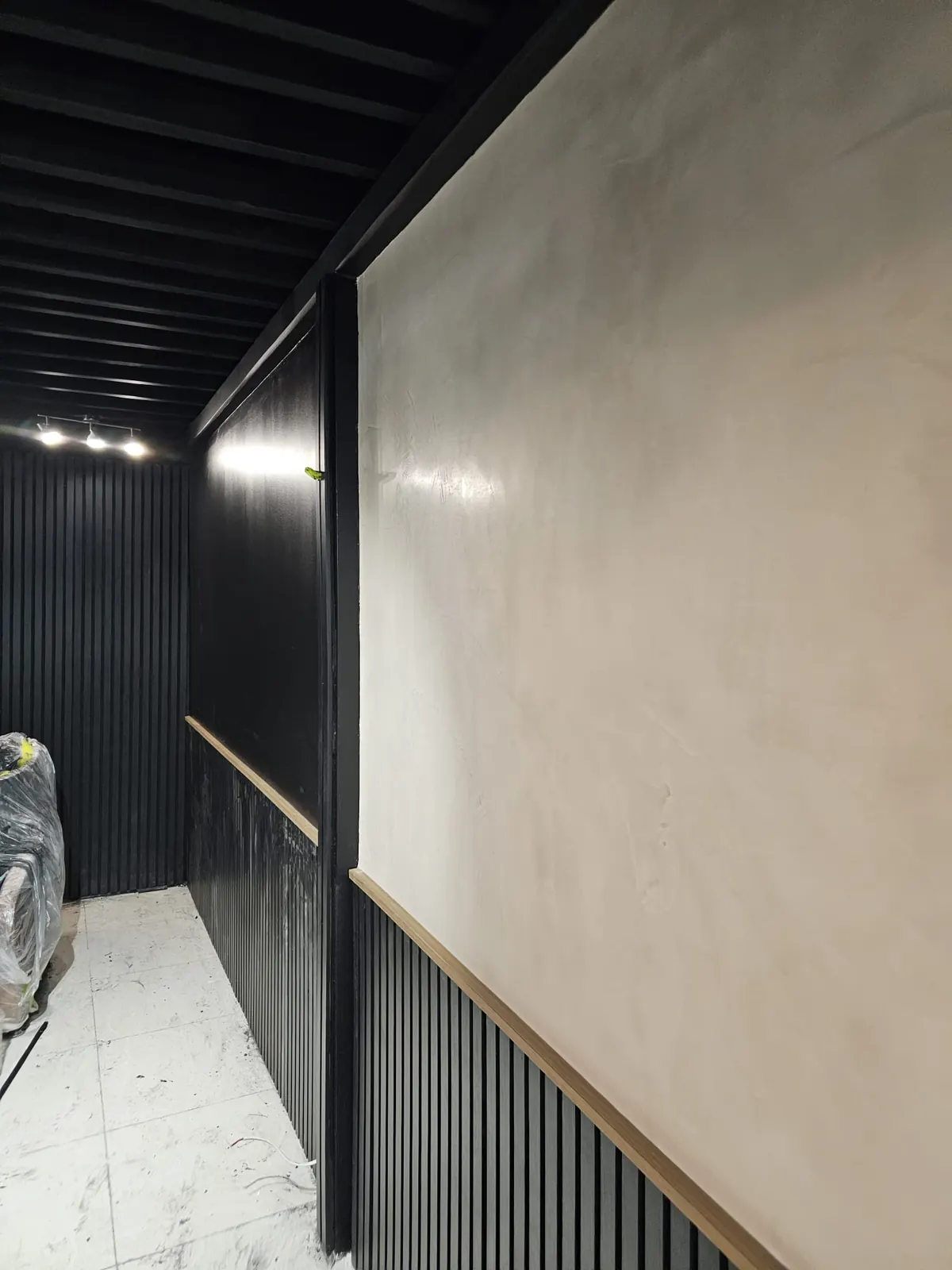
Venetian plasters, textured coatings and decorative products for feature walls and high-end bespoke looks.
The Paint Brands We Work With
We hold no exclusive dealership, so we can specify whatever suits the surface in front of us. In practice we work from the established Australian trade ranges, each of which has products we reach for regularly.
- Dulux. The most widely recognised name in Australian painting and our default on many jobs. Dependable interior and exterior acrylics, an enormous colour library, and so common that matching or touching up years later is easy.
- Taubmans. Strong interior wall products with good washability, which suits hallways, kids' bedrooms and other high-traffic areas.
- Wattyl. Long-established, with a solid exterior and timber range we often use on weatherboard, fascia and other exposed timber.
- Haymes. Australian family-owned, with a reputation for depth of colour and good coverage, plus well-regarded texture and render systems.
- Porter's Paints. Specialist rather than general purpose, and where we go for lime wash, chalk finishes and characterful decorative products used in feature and heritage work.
If you have a preference, tell us and we will quote on it. Otherwise we will recommend a product and explain why, including where a mid-range option is genuinely sufficient.
Understanding Sheen Levels
Sheen is how much light a dried paint film reflects, and it affects practicality more than most people expect. Higher sheen is more washable and durable, but it also highlights every bump and patch beneath.
- Flat and matt. Almost no reflection and excellent at disguising uneven surfaces. Standard for ceilings, but harder to clean, so not ideal for high-traffic walls.
- Low sheen. The workhorse for interior walls across Sydney homes: softly finished, reasonably wipeable and forgiving on older plasterboard.
- Satin and semi-gloss. More reflective and much more washable. The usual choice for kitchens, bathrooms, laundries, hallways, doors and skirting.
- Full gloss. Hard, highly reflective and durable, but it magnifies every imperfection, so it is reserved mainly for trim and joinery.
A common mistake is choosing one sheen for a whole house. We specify different sheens for ceilings, walls and trim in the same room, which is what gives a professionally painted interior its definition.
Primers, Sealers and Undercoats
Primer is the least glamorous product on any job and the one that most often decides whether the finish lasts. It bonds to the substrate, seals porosity so topcoats dry to an even sheen, and blocks anything that might bleed through. There is no universal primer, so we carry several.
Acrylic sealer undercoats handle most new plasterboard and patched walls. Oil or shellac-based stain blockers are essential over water damage, smoke staining and tannin-rich timbers such as cedar, since a water-based product lets those marks ghost back through. Bare timber needs a timber primer, metal needs etch or rust-inhibitive primers, glossy enamel needs a bonding primer or thorough de-glossing, and fresh render needs to cure before an alkaline-resistant sealer.
Interior Versus Exterior Paint Systems
The two are engineered for different problems. Interior products prioritise low odour, a smooth appearance and scrub resistance. Exterior products prioritise UV stability, flexibility and resistance to moisture and mould, with tougher binders and pigments that hold colour in direct sun.
Flexibility matters more than people realise: a Sydney exterior wall can shift many degrees between a summer afternoon and the following dawn, and the substrate moves with it. A brittle coating cracks where a flexible acrylic system stays intact. It is also why we specify different products for shaded, mould-prone eaves than for sun-blasted western walls. Our exterior painting service covers how those systems build up, while interior painting explains the indoor equivalents.
Roof Coatings
Roof products are a category of their own. On concrete and terracotta tiles we use a penetrating sealer to stabilise the porous surface after cleaning, then two coats of elastomeric acrylic membrane, deliberately thicker and more flexible than wall paint so it bridges hairline crazing and copes with a roof's thermal movement.
Metal roofs including Colorbond take a different system: washing, rust conversion, an etch or metal primer suited to the alloy, then a compatible topcoat. Many roof coatings come in heat-reflective formulations that reduce heat load in the roof cavity, a real benefit in Western Sydney summers. See how we apply roof coatings.
Preparation Materials
Consumables matter too. Flexible gap filler and paintable silicone go into junctions that move, such as cornice lines and skirting, with rigid fillers only where the surface is stable. Fillers are chosen for the depth of repair, since a deep hole filled in one pass will shrink and sink. Beyond that: sugar soap and degreasers, mould treatments, rust converters, graded abrasives, low-tack masking tapes and drop sheets, and correctly rated ladders and scaffolding.
Low-VOC and Low-Odour Options
VOCs are the volatile organic compounds released as a coating cures, and they are what you smell in a freshly painted room. Modern water-based acrylics contain far less than the solvent-based products of decades past, and most quality interior ranges are low-VOC as standard. For nurseries, bedrooms or anyone with asthma we can specify the lowest-VOC options available and sequence the work so rooms are ventilated and back in use quickly.
Why Product Choice Matters in Sydney's Climate
Sydney is hard on paint in several ways at once. UV is intense enough to break down binders and fade pigment on north and west-facing walls within a few years if the coating is not properly stabilised. Summer humidity plus shade grows mould on eaves, southern walls and bathroom ceilings. Coastal suburbs add airborne salt that attacks metal fixings and accelerates coating breakdown, while the inland west swings from over 40 degrees to cool nights, driving constant substrate movement.
So the same house painted with the same product performs differently depending on where it sits and which way it faces, which is why we specify per surface and per aspect rather than buying one product for the whole job. A home in the Eastern Suburbs near the water has different priorities from one in the Hills District, and both differ again from a shaded terrace in the Inner West.
Preparation Is Half the Job
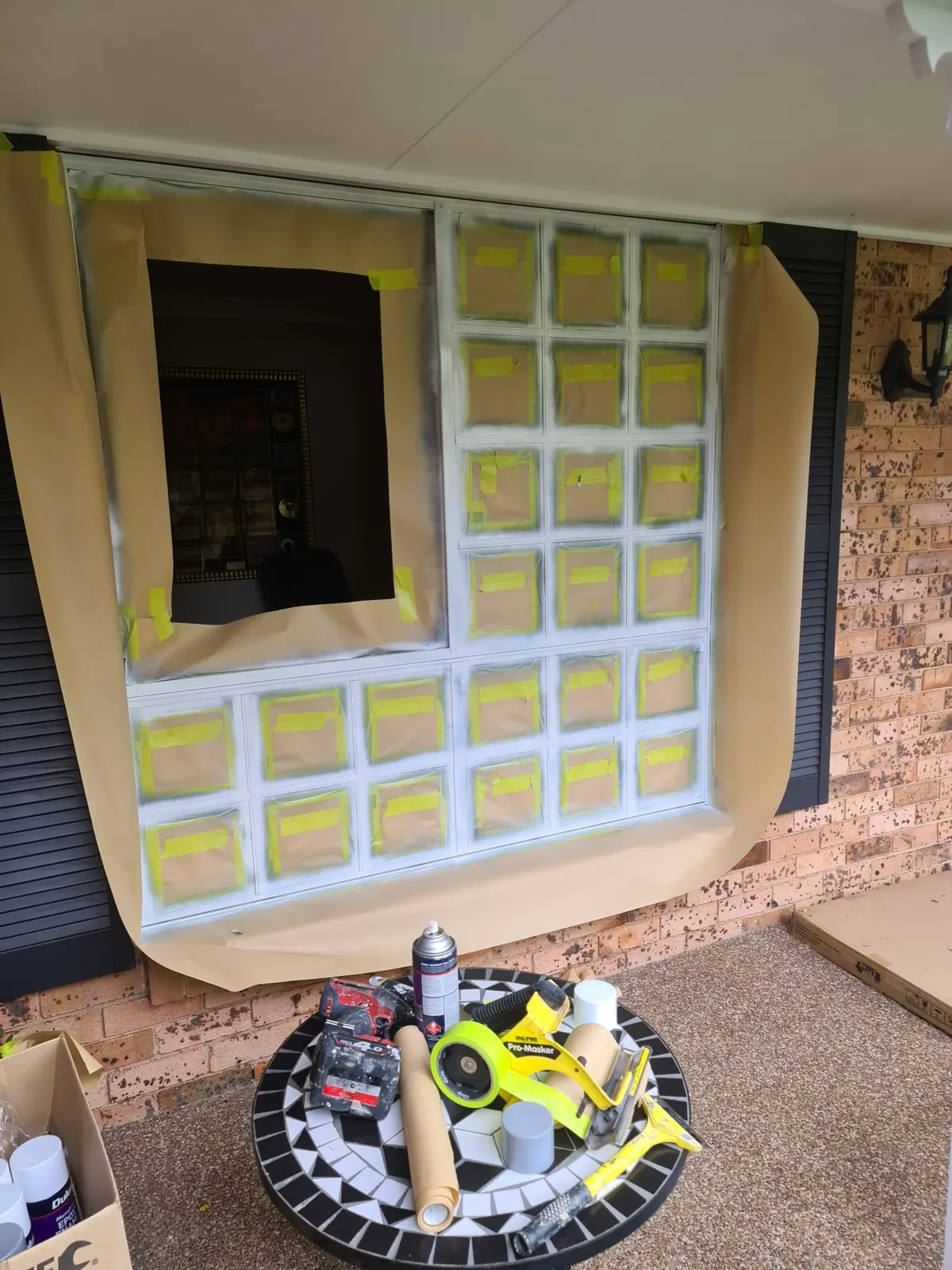
No paint, however premium, can hide a poorly prepared surface. That is why we invest real time in filling, sanding, cleaning and priming before a drop of colour goes on.
- Filling cracks, holes and imperfections
- Sanding for a smooth, even surface
- Cleaning and de-glossing where needed
- Priming to lock in a lasting bond
Frequently Asked Questions
Common questions about paints, primers and product choices.
Which paint brands do you use?
We work mainly with the established Australian trade ranges: Dulux, Taubmans, Wattyl, Haymes and Porter's Paints. We are not tied to any single manufacturer, so the choice depends on the surface rather than loyalty to a label. If you prefer a particular brand we will quote on it.
What sheen level should I choose for each room?
Flat or matt suits ceilings and formal rooms where you want to hide imperfections. Low sheen is the usual choice for interior walls. Satin or semi-gloss suits kitchens, bathrooms, hallways and trim because it wipes clean. Full gloss is mostly reserved for trim and joinery.
Do I really need a primer or undercoat?
On bare, patched, stained, glossy or unpainted surfaces, yes. Primer bonds the substrate to the topcoat and seals porosity so finish coats look even. Skipping it is a common shortcut and a main reason paint peels or fails early. Sound painted surfaces in good condition can go straight to topcoats.
Can I use interior paint outside, or exterior paint inside?
Interior paint should never go outside: it lacks the UV stabilisers, flexibility and mould resistance to survive weather. Exterior paint technically works indoors, but its additives and biocides are unnecessary in a bedroom and the odour is stronger, so there is no benefit.
What are low-VOC paints and should I ask for them?
VOCs are the solvents that produce that strong fresh-paint smell as a coating cures. Low-VOC water-based products cut those emissions substantially, which matters most in bedrooms and nurseries and for anyone with asthma. Most quality interior acrylics are low-VOC by default, and we can specify the lowest available on request.
Why does paint choice matter so much in Sydney?
Sydney combines high UV, big temperature swings, summer humidity and coastal salt air. UV breaks down binders and fades pigment, temperature swings demand flexible coatings, humidity feeds mould on shaded walls, and salt accelerates rust. A product that performs well in a mild climate can fail early here.
How many coats of paint will you apply?
Two topcoats over an appropriate primer is the standard specification, written into your quote. Some jobs need more: deep colours, covering dark with light, bare timber or uneven porosity. We would rather add a coat than deliver patchy coverage.
Can you match an existing colour?
Usually yes. With the original colour name or a leftover tin it is straightforward. Otherwise suppliers can scan a sample, such as an offcut of skirting, and tint to match. Note that faded paint will not match a fresh tin of the original colour exactly.
Want the Best Finish for Your Budget?
We will recommend the right paint and system for your home and explain the options in plain language. Get your free quote today.